“WE NEED HELP!”
That is an appeal we hear again and again from the people of Kharkiv, Ukraine’s second-largest city, just a short distance from the Russian border.
“It is very brave of you to come to our city. And your work here is important,” says Anastasiia Kodak of the Kharkiv City Development Platform, which among other things supports local businesses struggling to survive under the constant pressure of war.
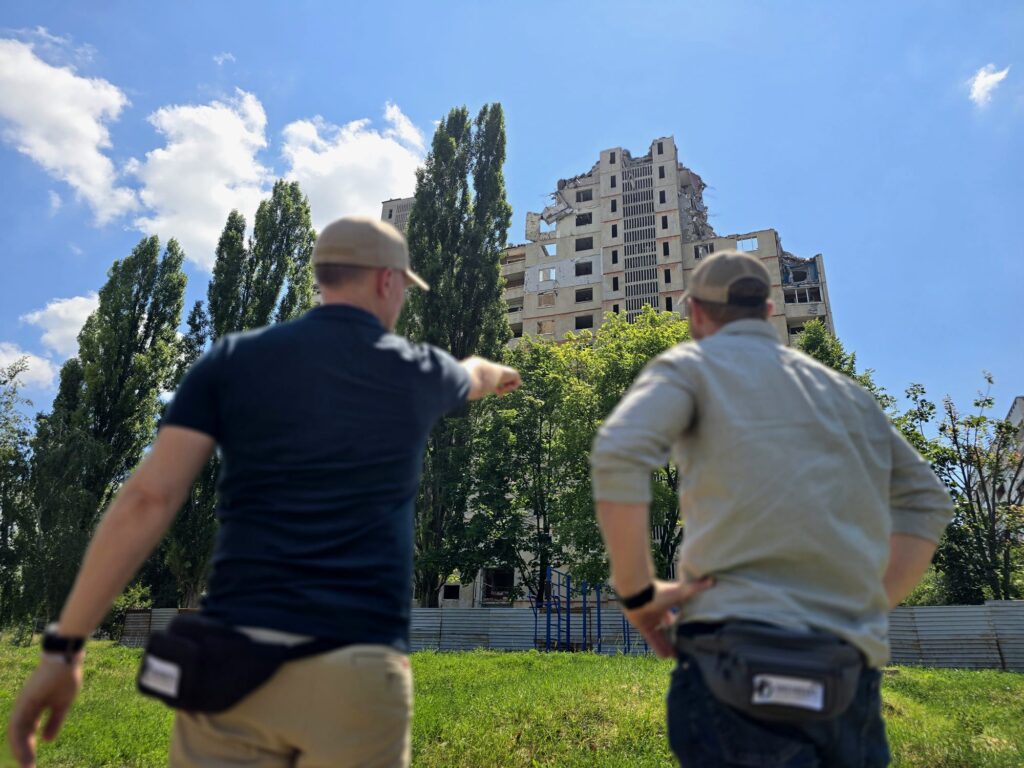
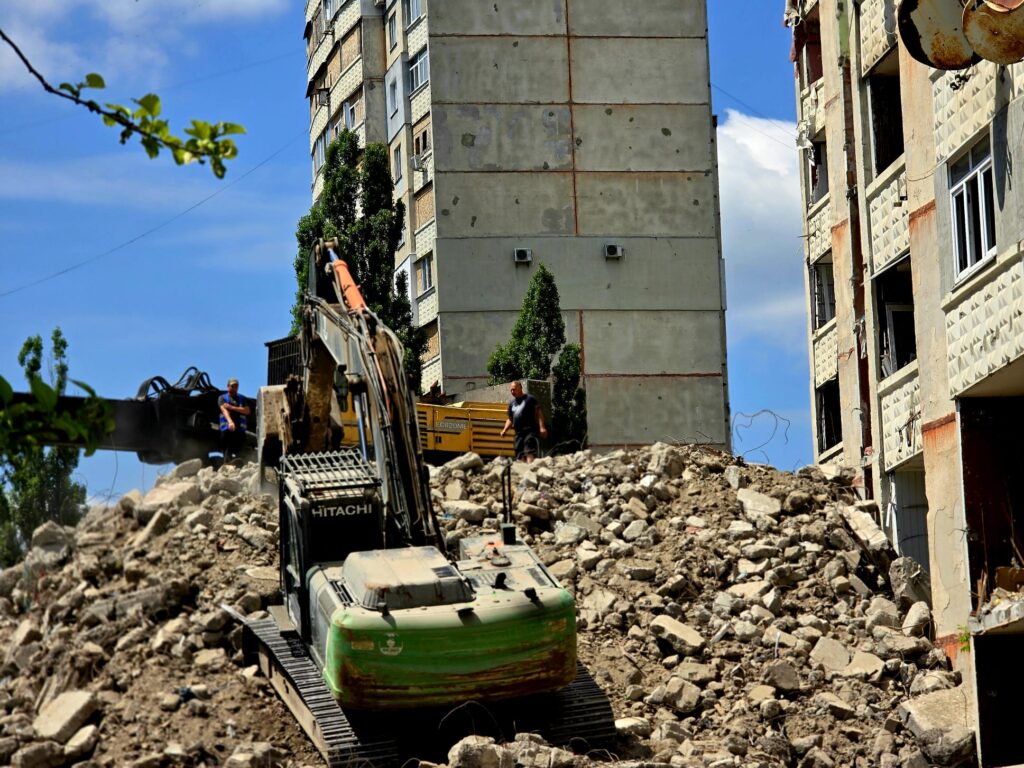
As Danish volunteer engineers begin their very first humanitarian mission in Kharkiv, northeastern Ukraine, Russian glide bombs strike residential neighbourhoods across the city. The explosions are a stark reminder of the reality facing the people of Kharkiv every single day.
It’s about solidarity
For Engineers Without Border Denmark this mission is about far more than technical expertise. It is about standing with people who refuse to give up – and demonstrating that humanitarian action is possible even in one of Ukraine’s most heavily targeted cities.
“We want to be where the needs are greatest and where others don’t reach. Above all, this is about solidarity,” says Peter Horne Zartsdahl, Secretary General of Engineers Without Borders Denmark.
To rebuild is to maintain hope
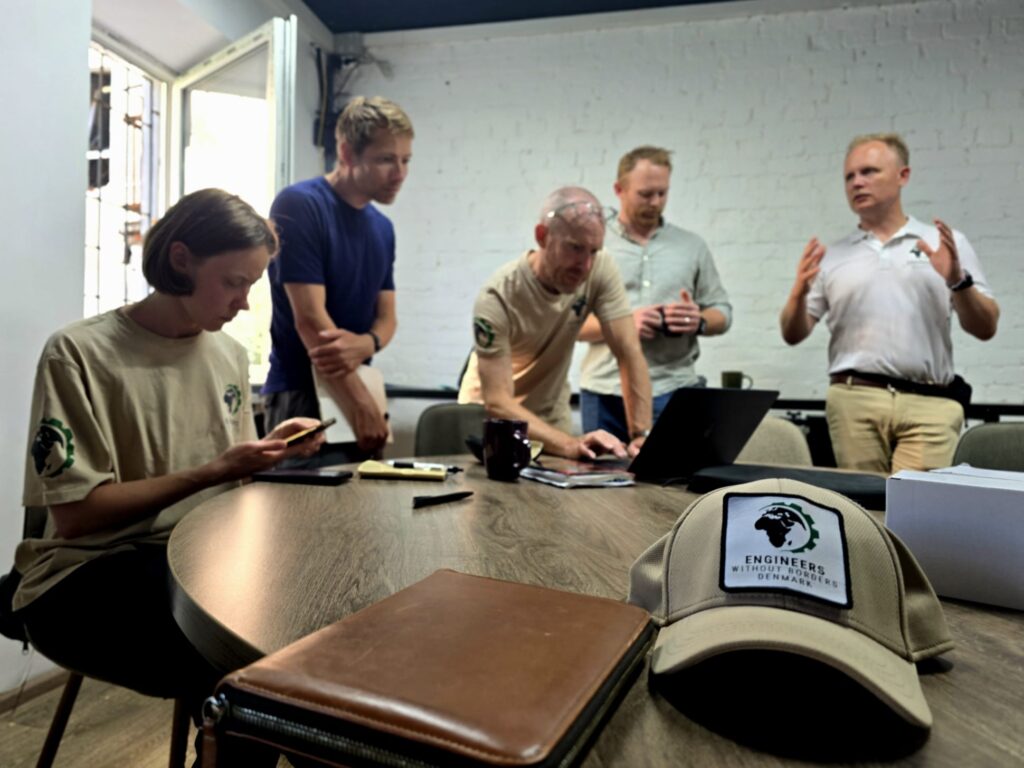
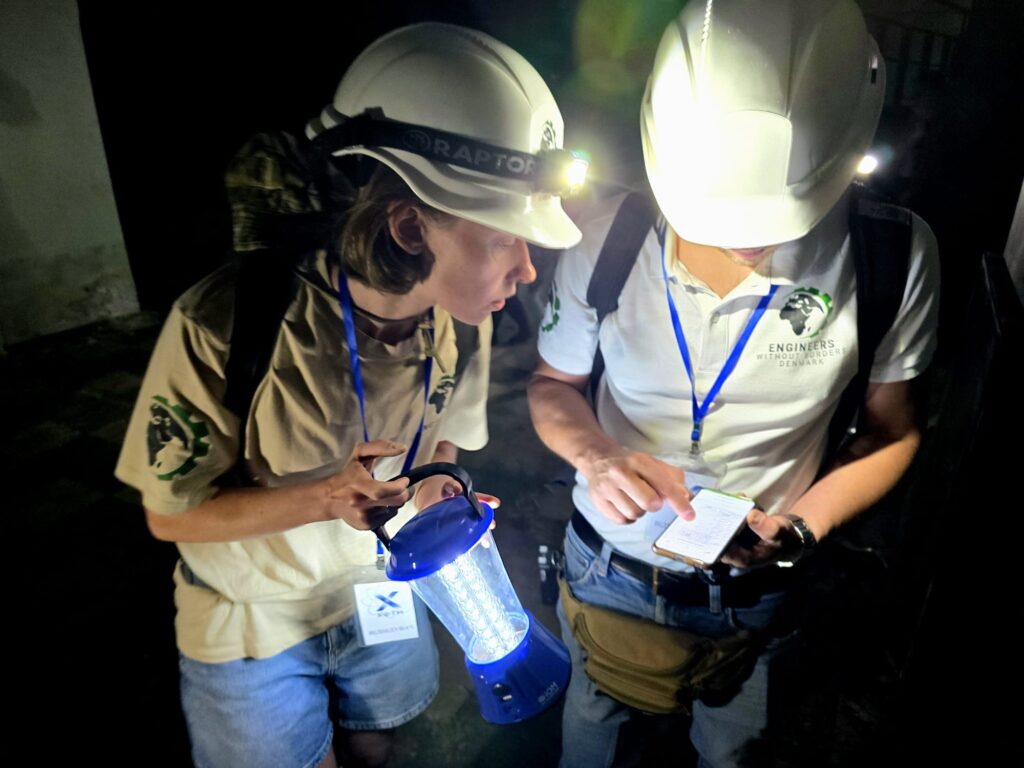
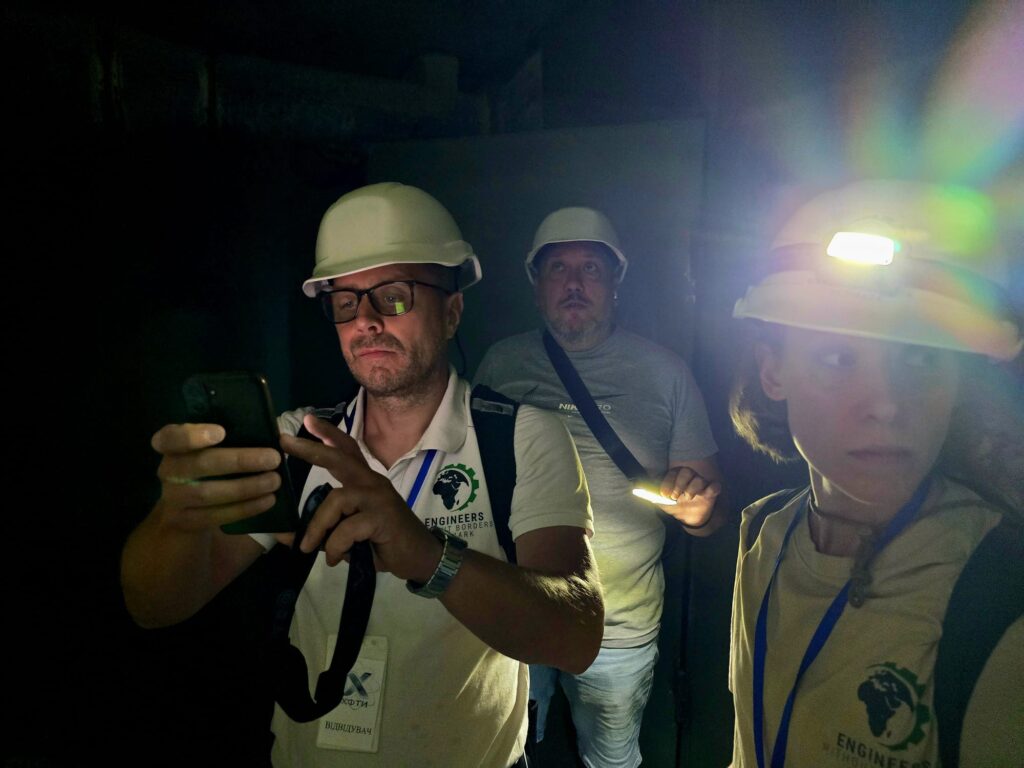
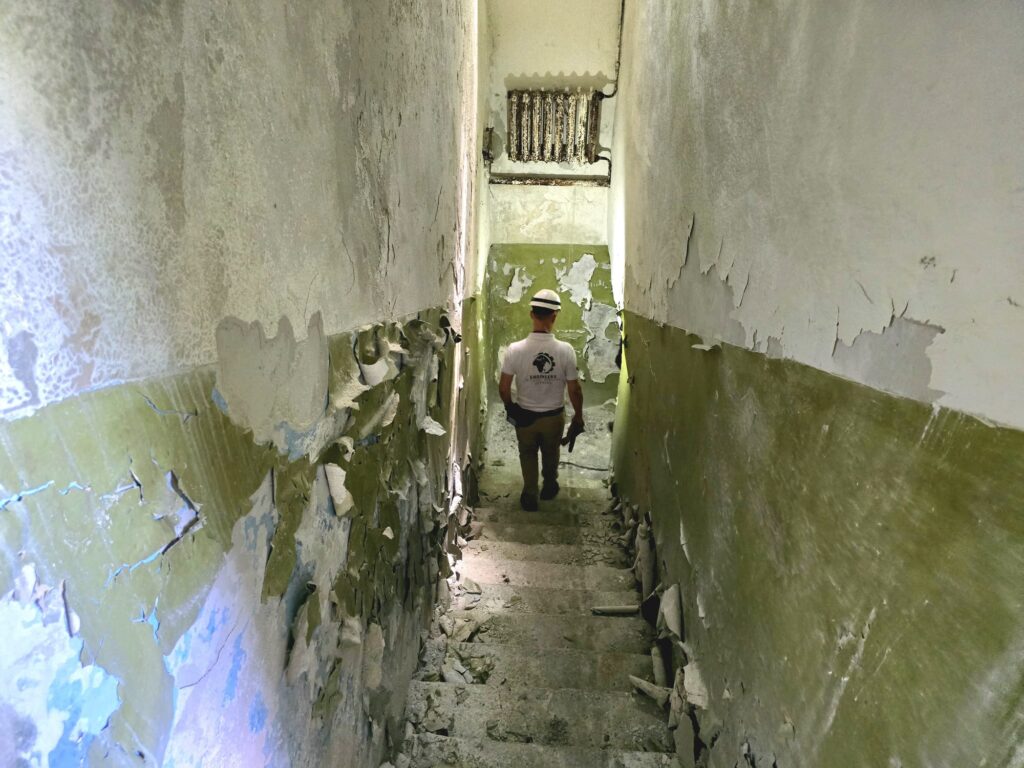
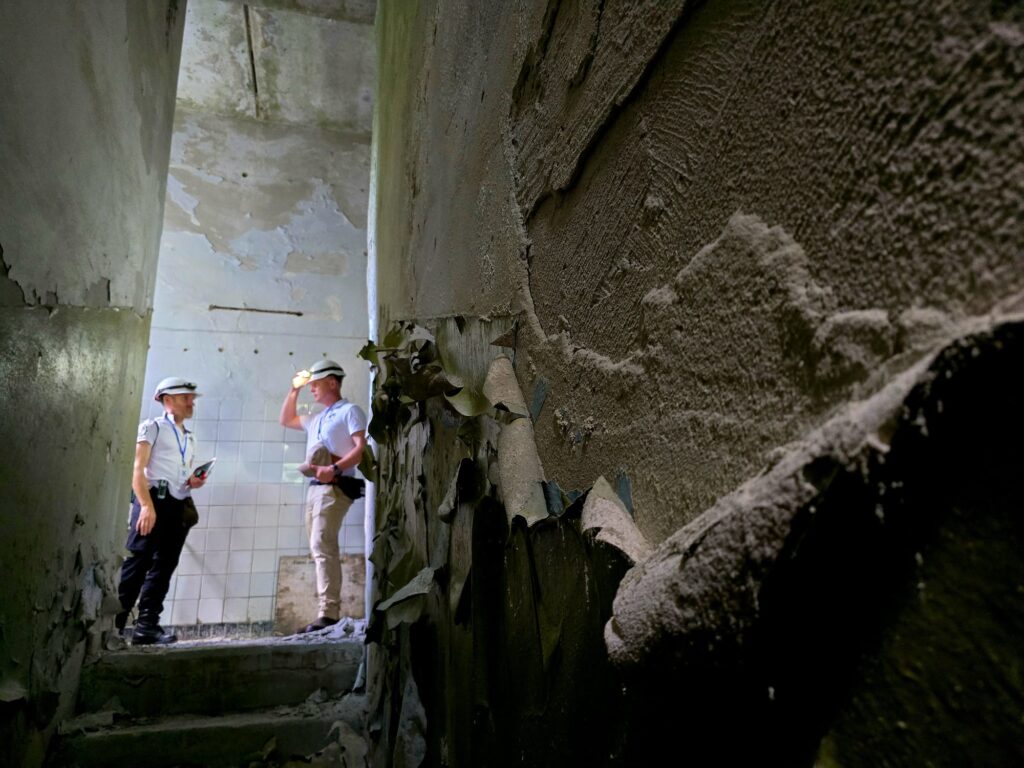
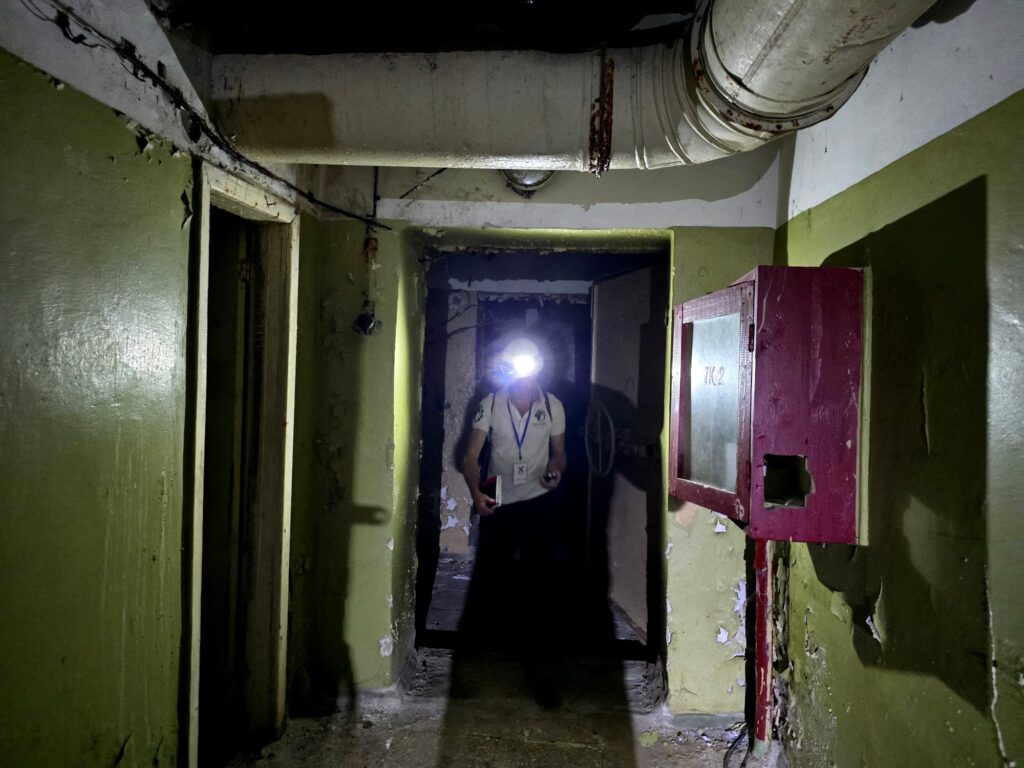
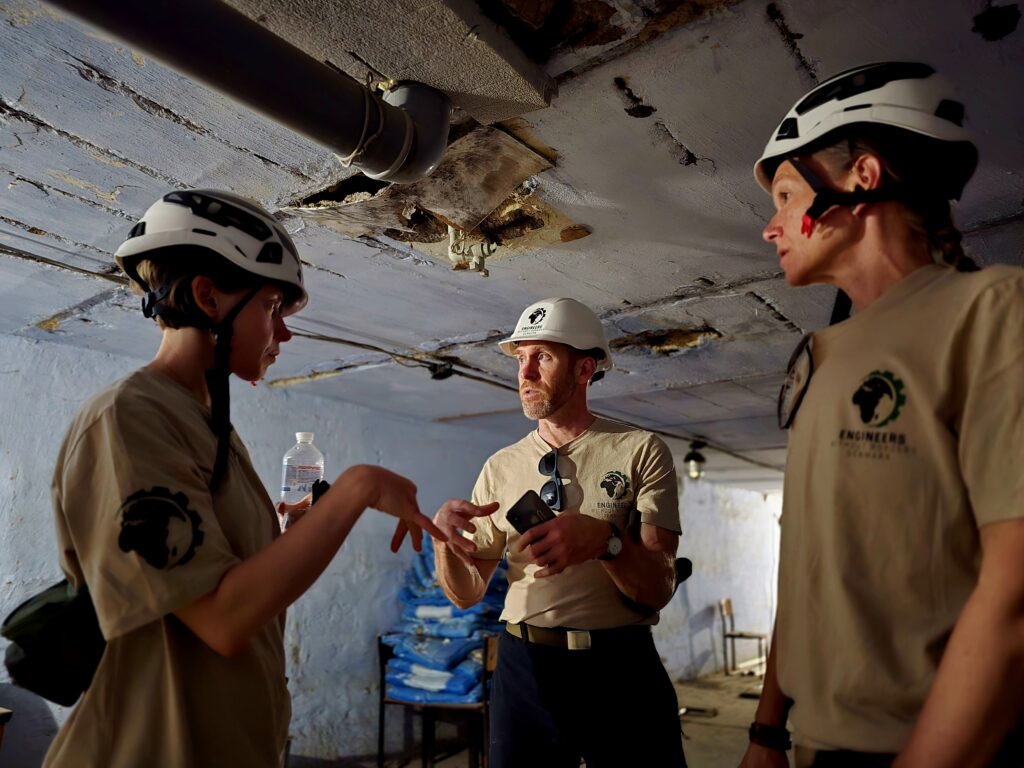
Volunteer engineers and humanitarian specialists Alun Thomas, Egil Bartos, Yaroslava Martyniuk and Andreas Lyman are assessing, among other projects, how to restore a bomb shelter at one of Kharkiv’s universities. Once rehabilitated, it could protect up to 1,000 people and make it possible for students to return safely to campus.
“I’m optimistic. I believe we can make a real difference for a lot of people here,” says volunteer Alun Thomas.
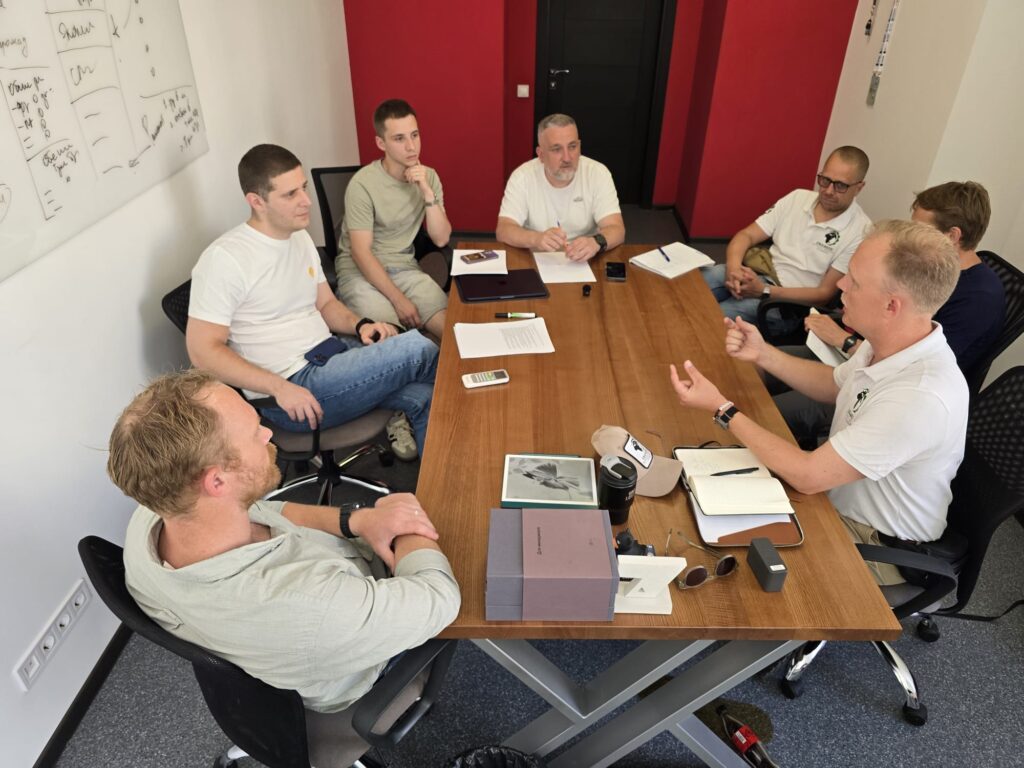
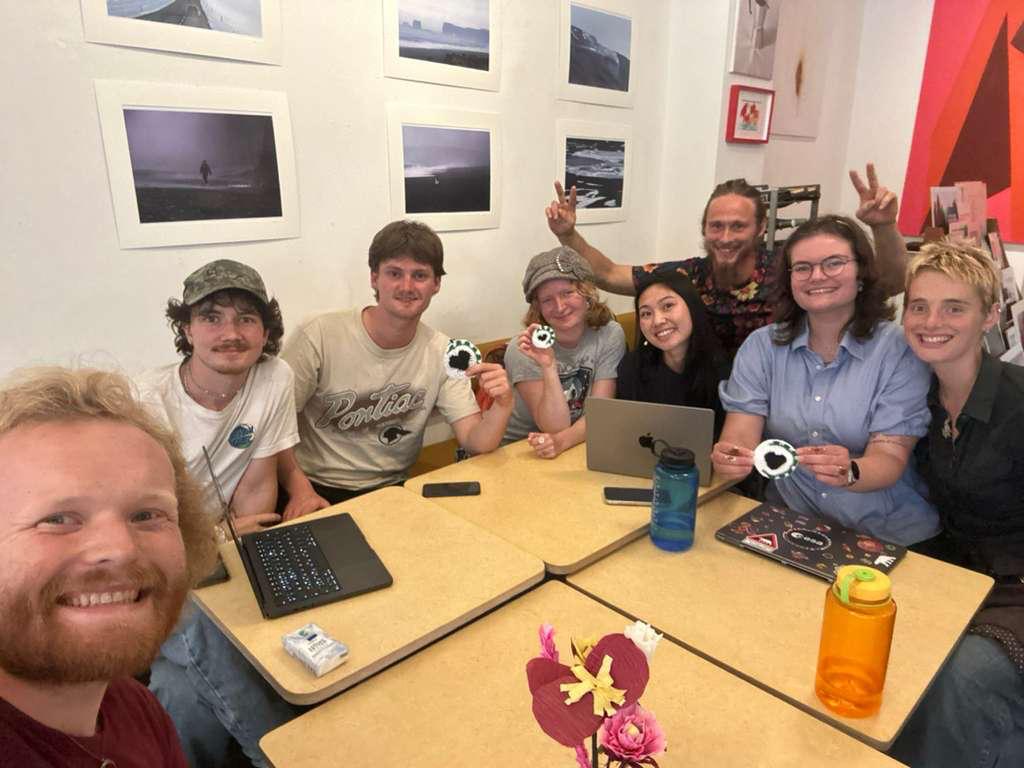
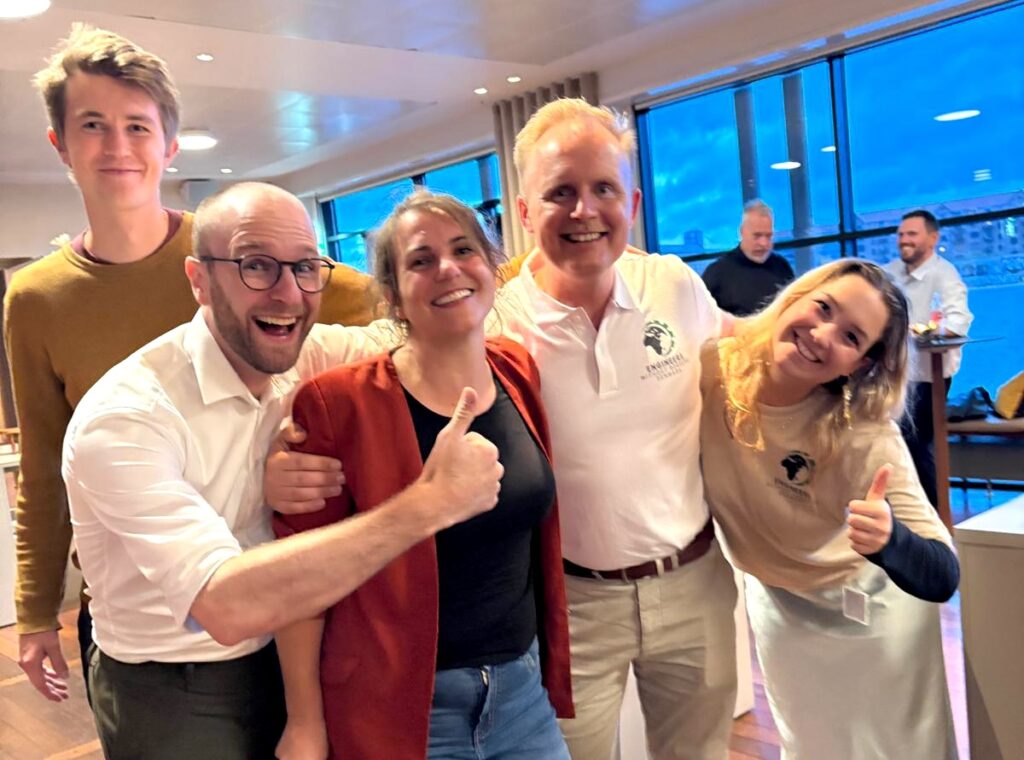
The delegation also included Secretary General Peter Horne Zartsdahl, Mission Coordinator Lasse Oszadlik and Head of Communications Jeppe Nybroe. Together, they met with officials from Kharkiv City Council responsible for rebuilding the city and signed partnership agreements that will pave the way for future humanitarian engineering missions by Danish volunteers.
“If the international community fails to act now, there is a real risk that people will lose hope, and that, one day, there will be nothing left to rebuild,” says Zartsdahl.
The mission to Kharkiv has been made possible in part through generous support from the Ramboll Foundation.