By Marie-Louise Harder Pedersen.
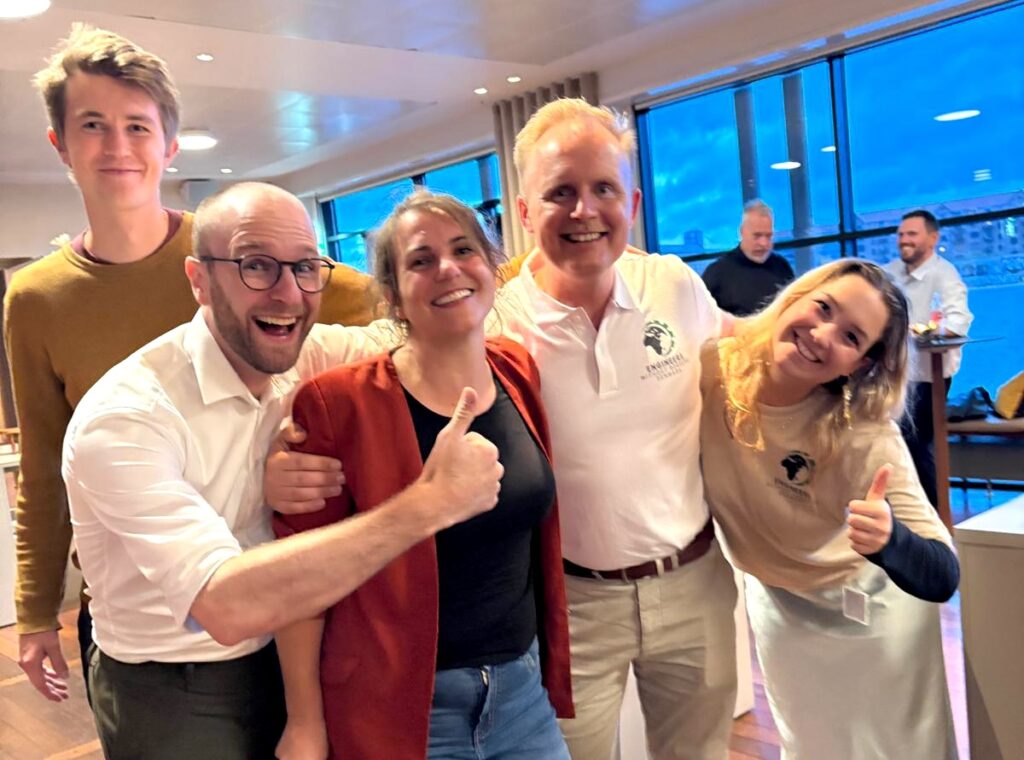
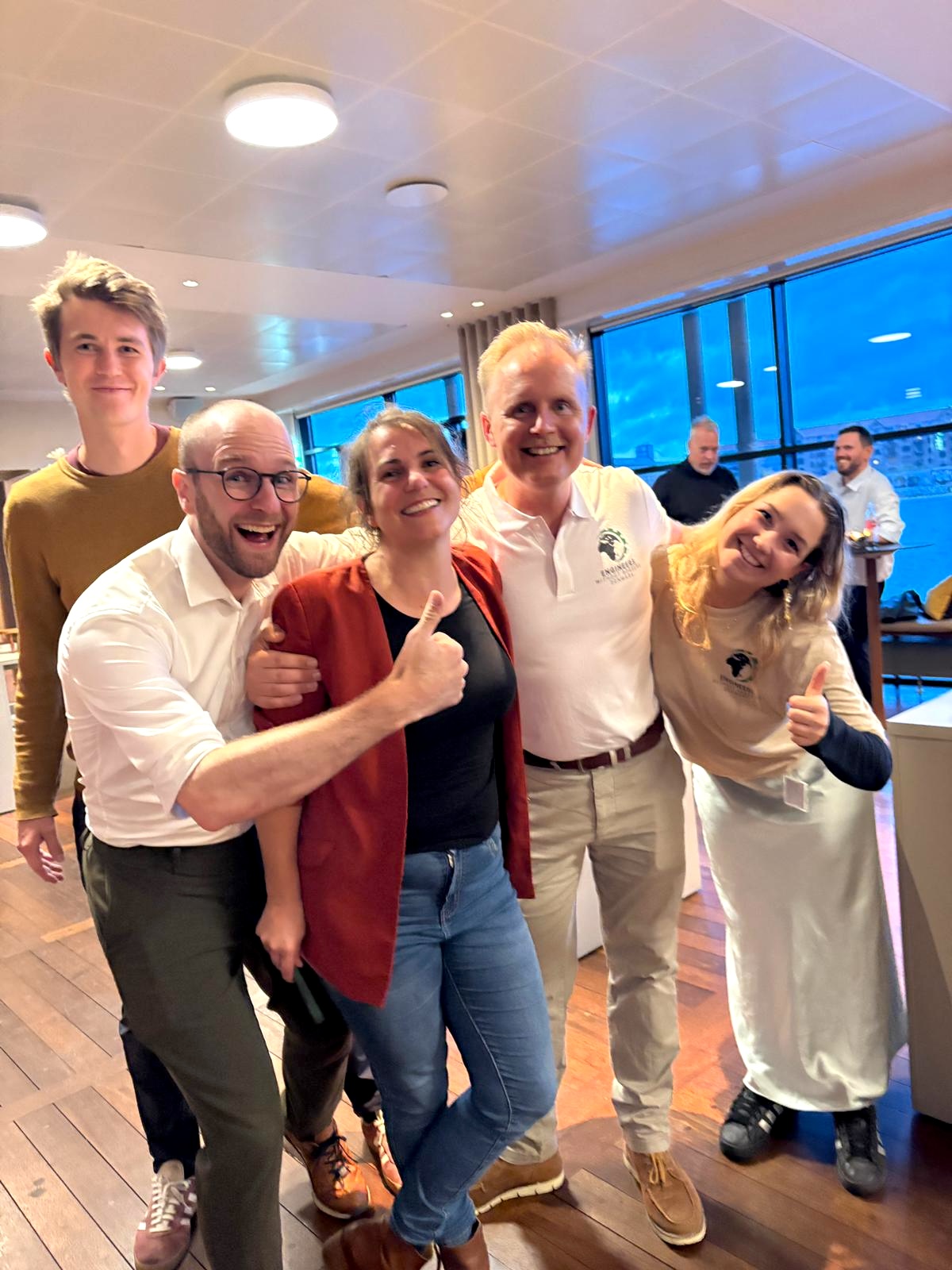
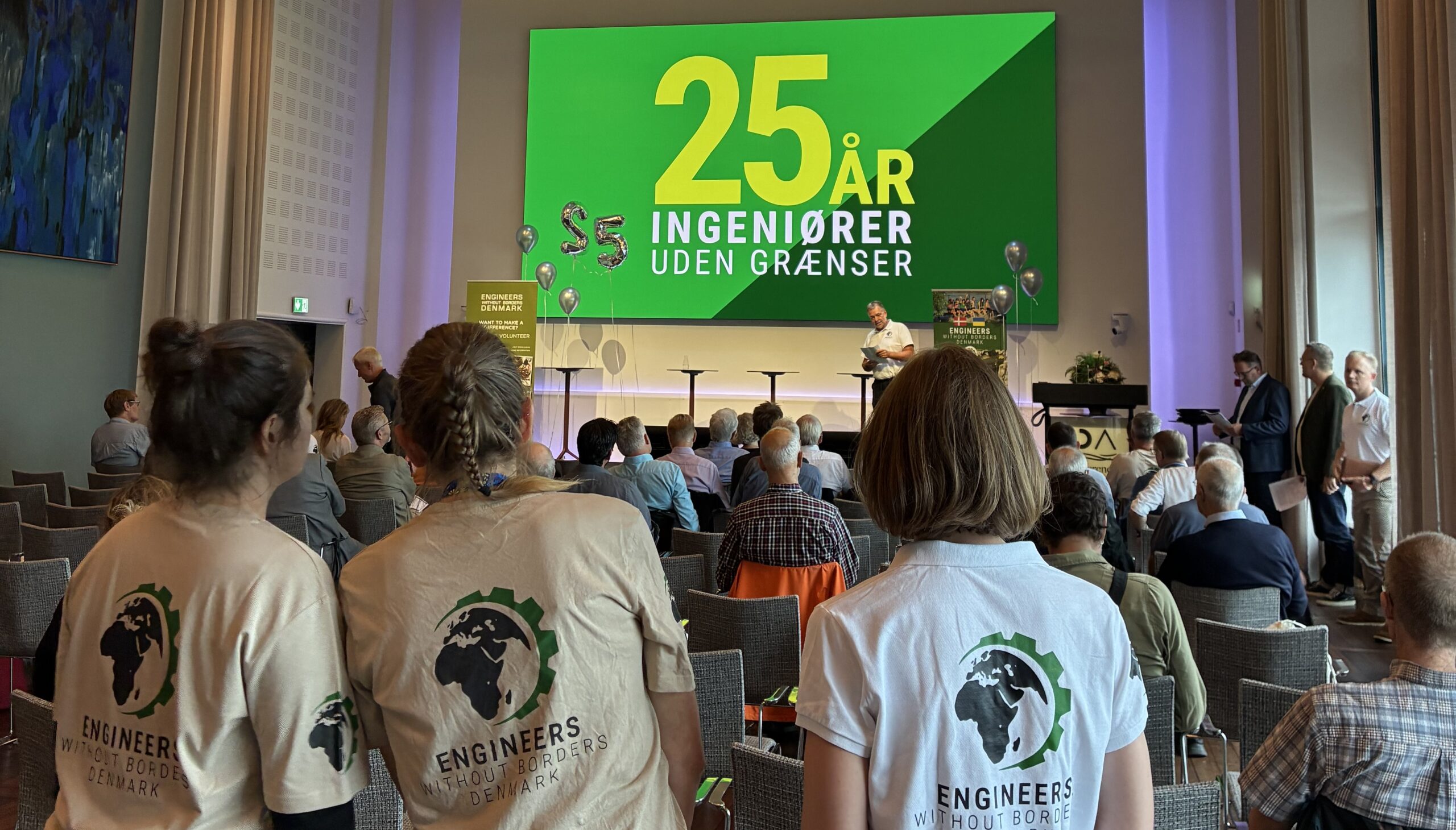
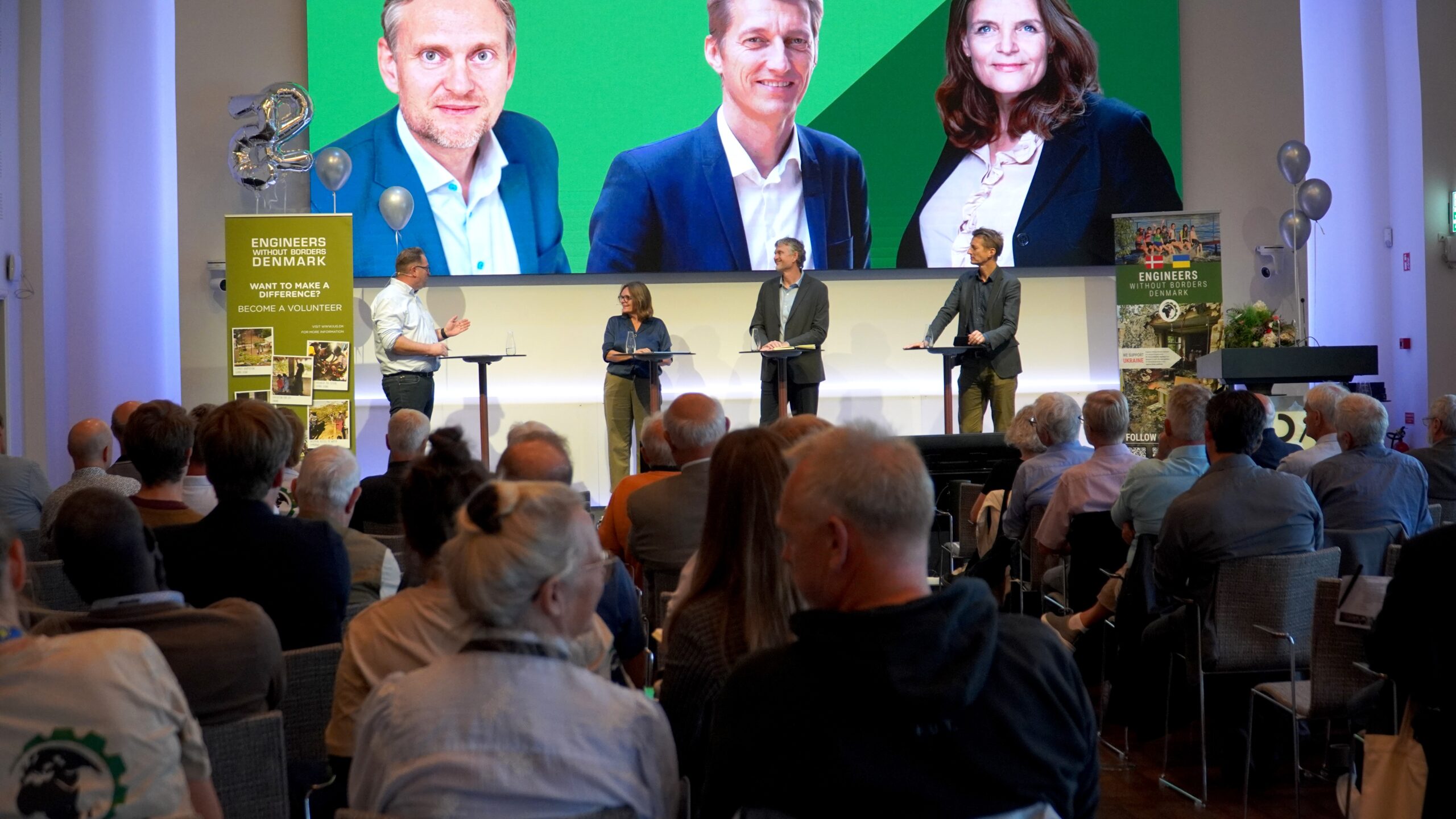
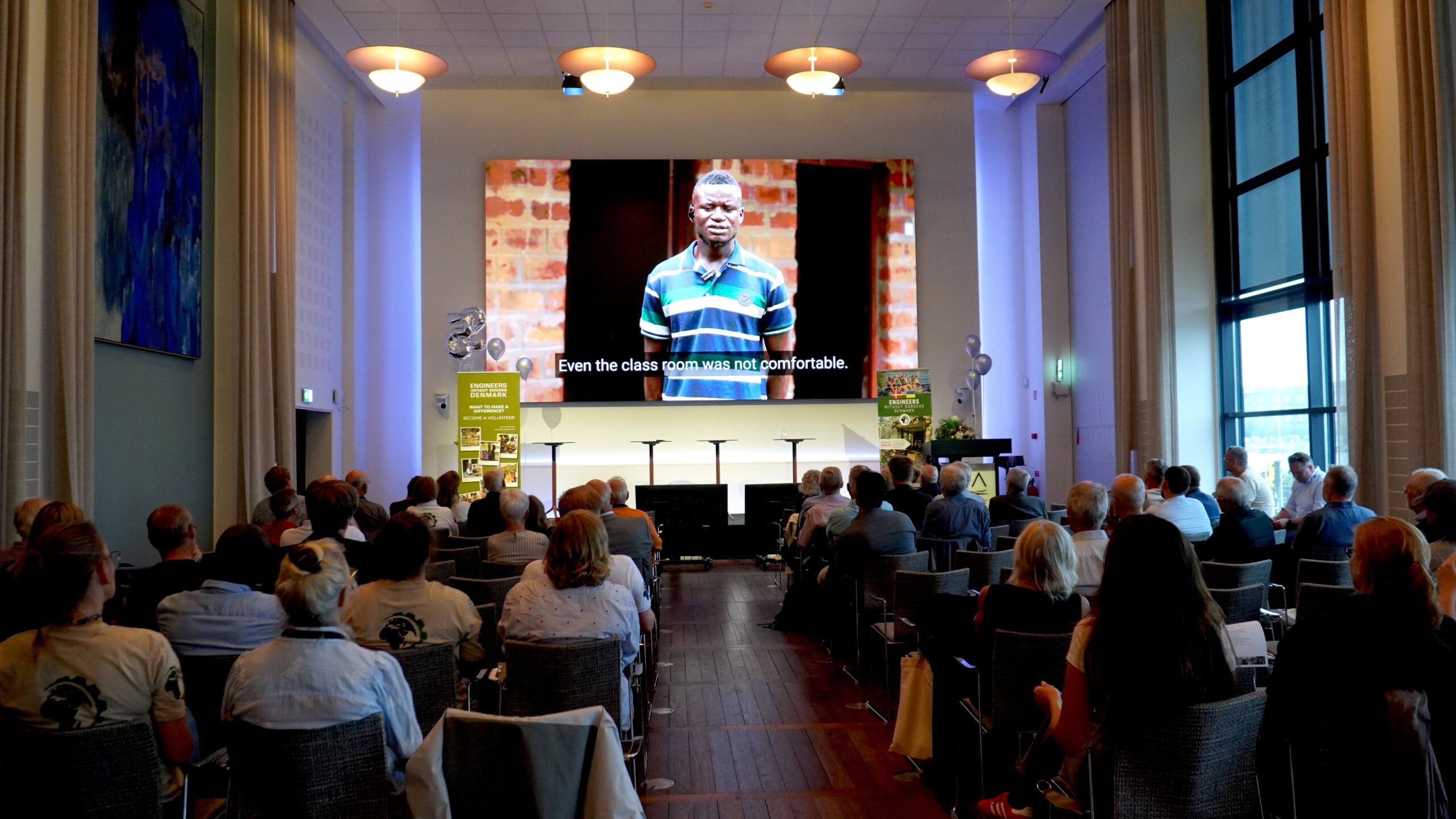
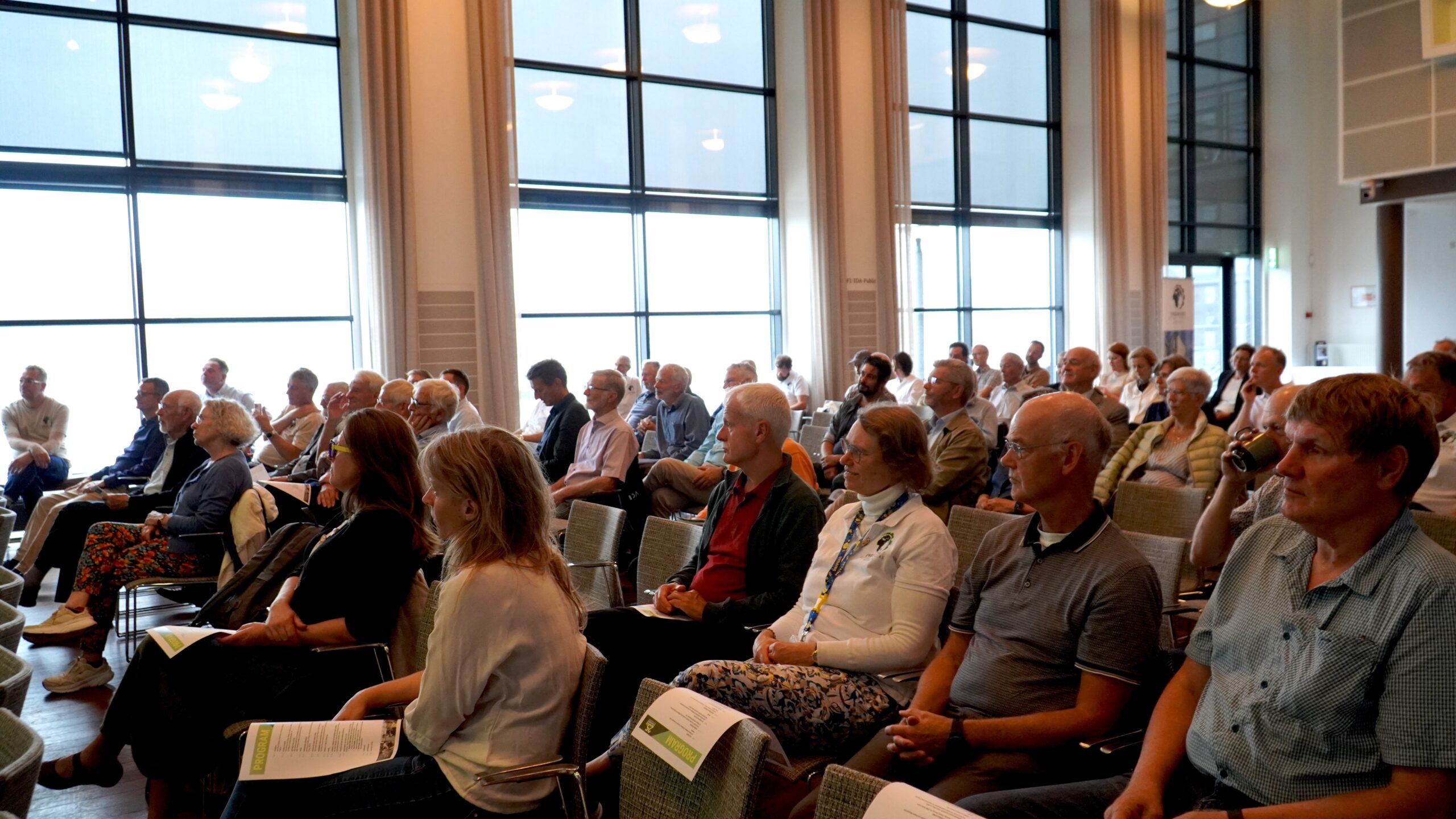
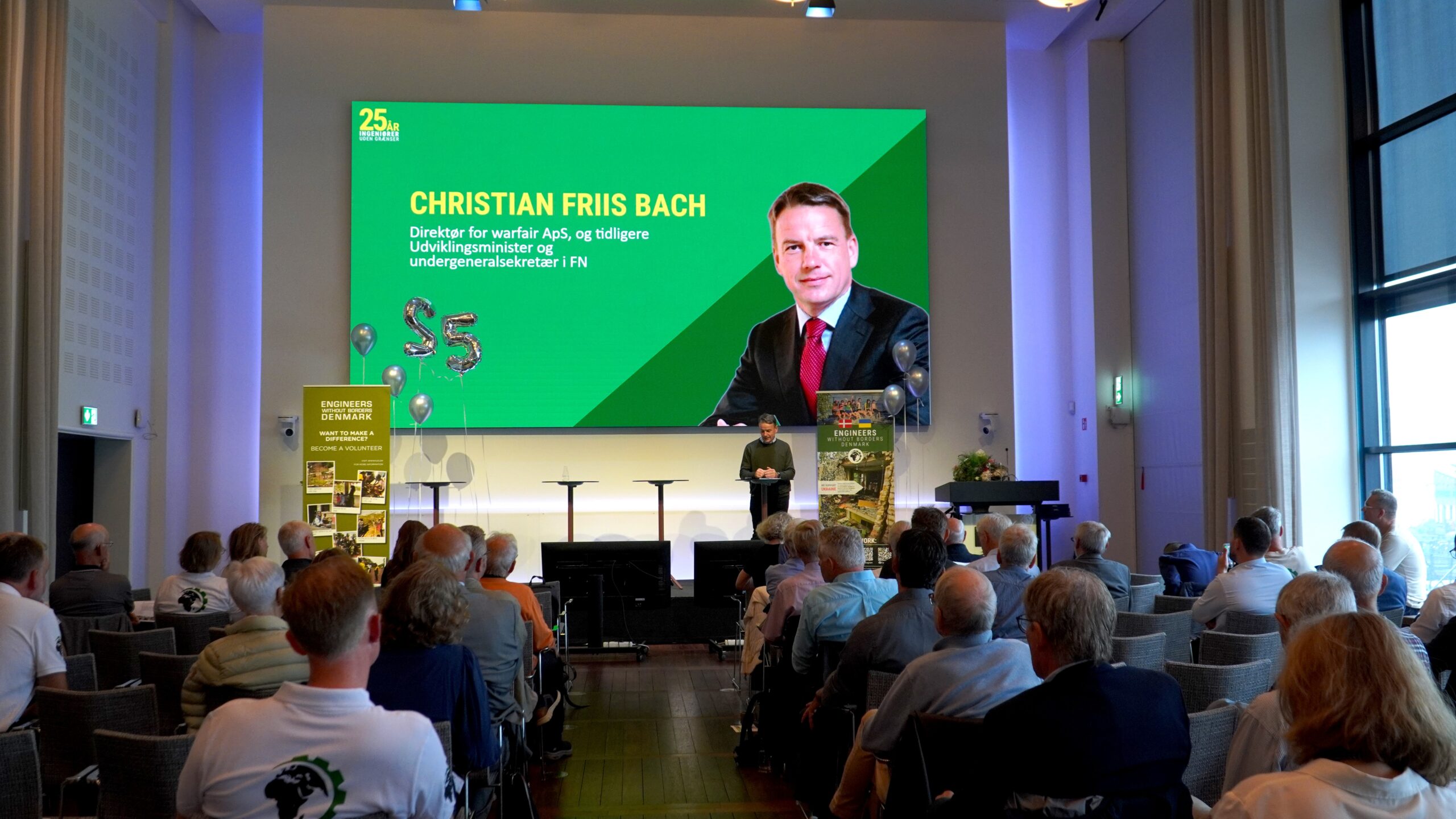
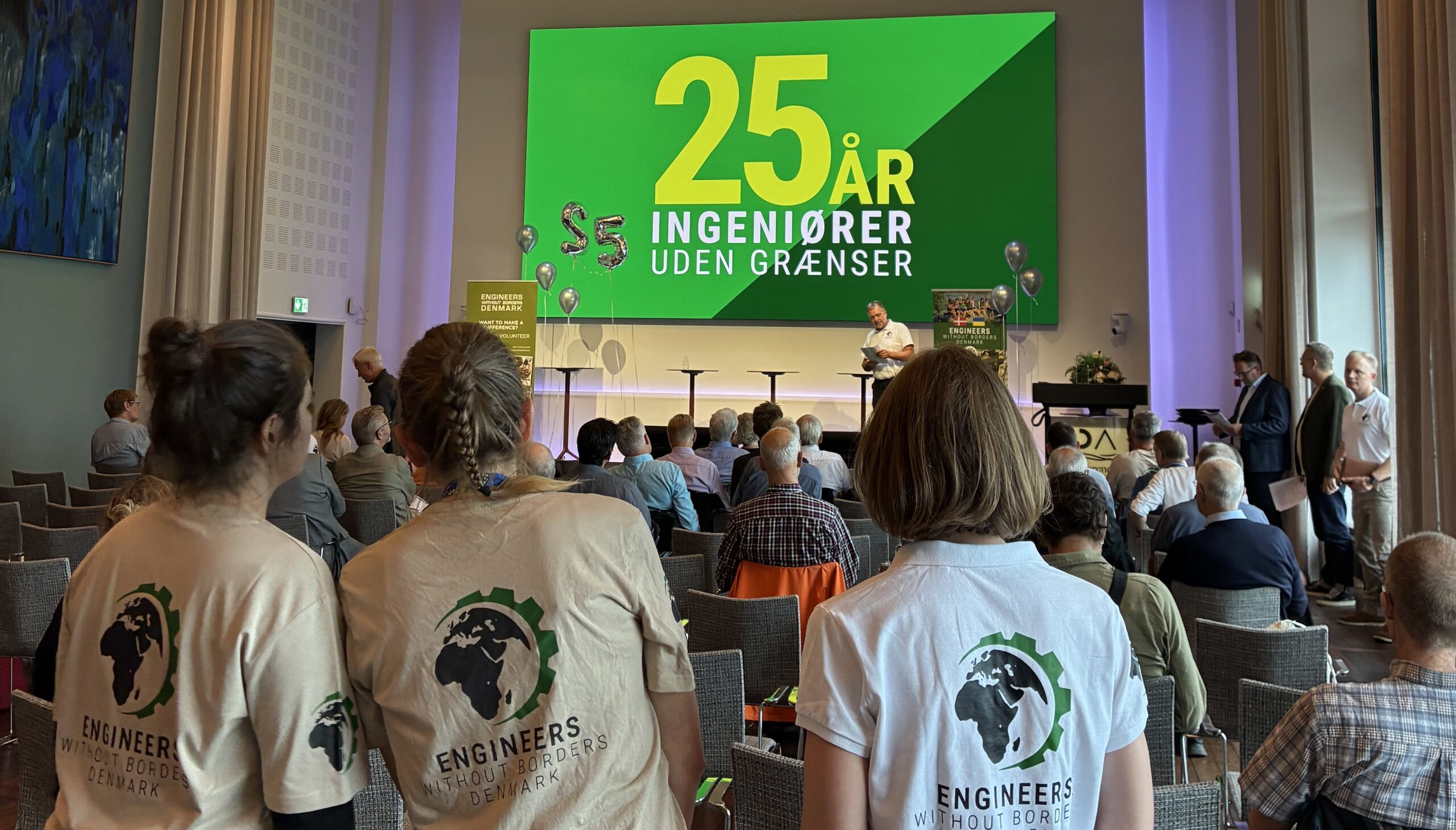
When you look out over the packed conference hall at IDA on Thursday, 3 September 2026, where Engineers Without Borders Denmark celebrated its 25th anniversary, it can be difficult to imagine that the organisation’s first steps were taken around a kitchen table in a small apartment in Hillerød 25 years ago.
But that is actually how it began. One of the first people sitting around that kitchen table was Jan Creutzfeldt, who was given membership number 5. He has just retired after a long working life – and many years of volunteering with EWB Denmark.
As a young engineering student, Jan was already interested in other cultures and in how to make things happen.
“I had an ambition to help other people with the technology and knowledge that we as engineers possess,” says Jan Creutzfeldt.
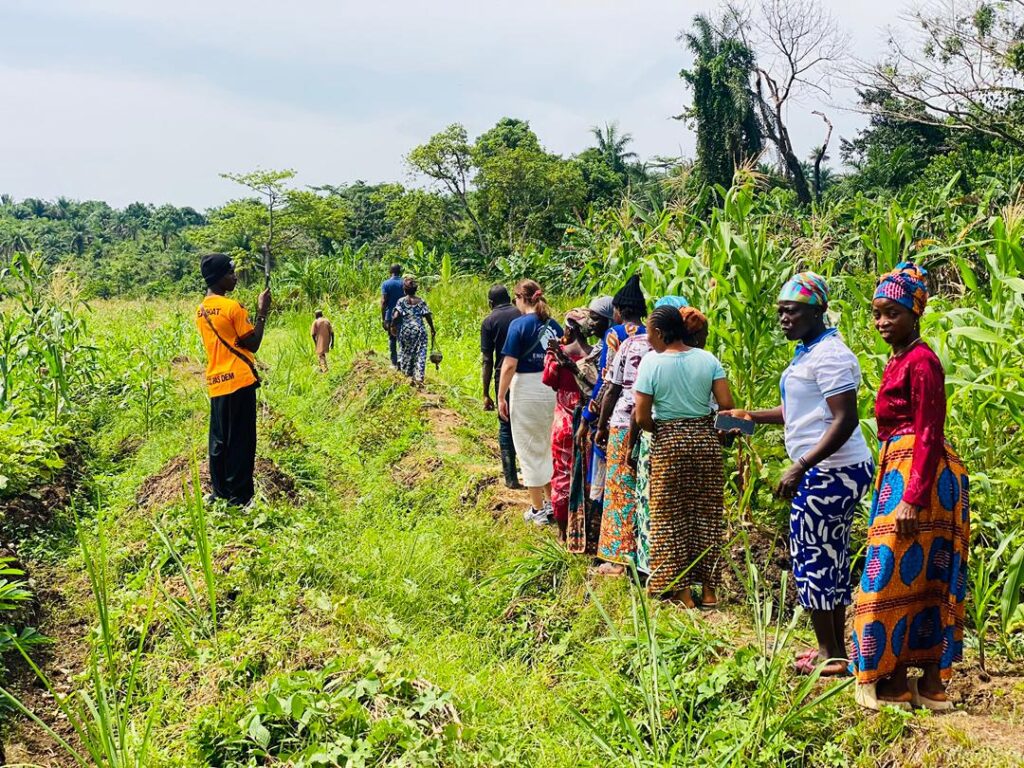
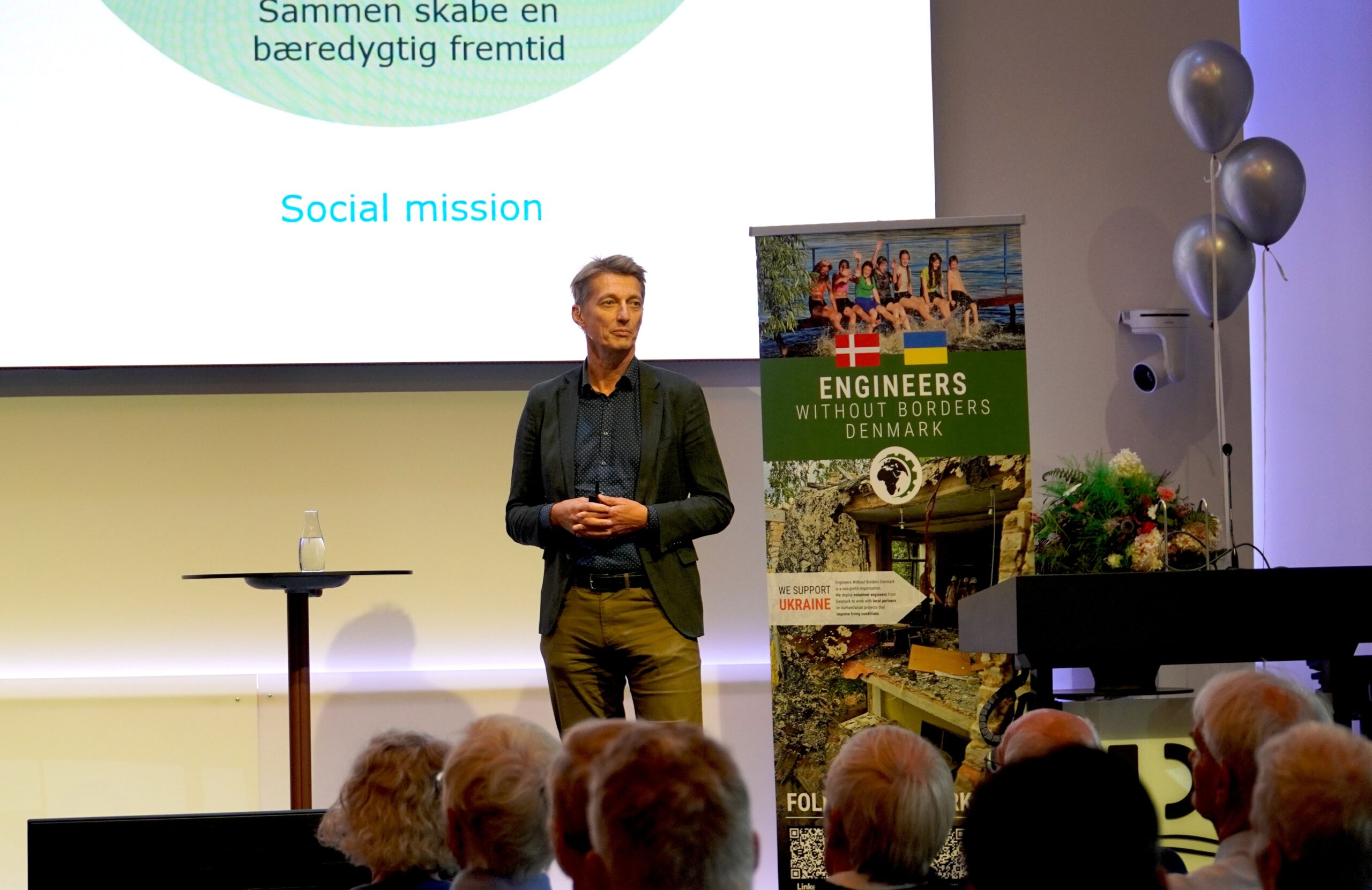
Today, Engineers Without Borders Denmark is a technical humanitarian aid organisation, and since its foundation, the organisation has carried out projects in more than 30 countries.
At the time, Jan knew a medical student who was active in Doctors Without Borders.
“I thought: Why don’t we have something similar for engineers?” he says.
Shortly afterwards, he saw an invitation to the founding general assembly, and the decision was easy:
“Now it’s happening.”
The first meeting in Hillerød initially resembled an ordinary association more than an international aid organisation. There was a treasurer, a chairperson and a secretary – and, naturally, a discussion about money.
But the atmosphere quickly changed when Anthony Svane stood up and began drawing an ambitious organisational chart on the board, while Paul reminded everyone that they also needed to think internationally. At the time, sister organisations such as Engineers Without Borders in Canada, the United Kingdom, the United States and Germany were also beginning to emerge.
“There was a feeling of euphoria at the first meetings – that we had started something big,” Jan recalls, although he was probably a little sceptical.
“We’re only four people, and now we’re talking about international organisations,” Jan thought.
Nevertheless, it turned out that the five people were enough to give the organisation a good start, and the organisation gradually began to take shape.
Jan himself was given responsibility for fundraising – a task that, in a completely new and unknown organisation, was “backwards”, as he puts it.
Without any proven results, it was difficult to earn people’s support, and the first years were largely about “pulling ourselves up by our own bootstraps”. The first grants were in the range of DKK 20,000–30,000 a year – enough for paper, a computer or a small office.
The organisation also struggled to define its identity during its early years. Initially, the focus was largely on disaster relief, which required a response team capable of sending people abroad at very short notice. By its nature, this could be difficult to plan.
One of the most notable experiences in the early years was the organisation’s encounter with the Danish Society of Engineers, IDA. The cooperation did not work well, and when Jan tried to apply for financial support, he was rejected.
“I also went there hat in hand and tried to ask for money, but I was thrown out with a bang. And the quote – I can’t quite remember the exact wording – but it was something along the lines of, ‘It’s just a bunch of unemployed engineers trying to create jobs for themselves,’” Jan says with a laugh.
Fortunately, the story has changed since then.
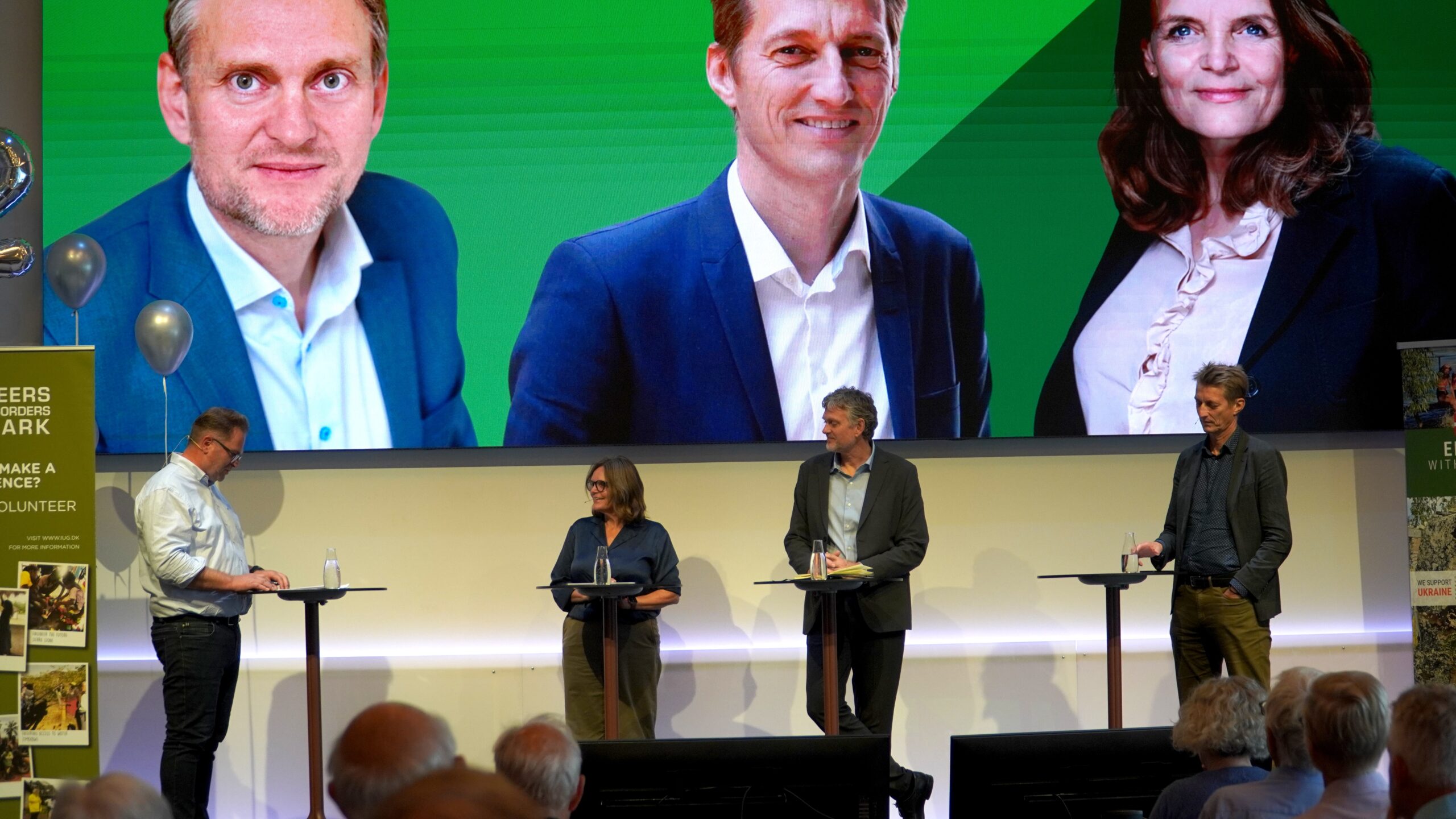
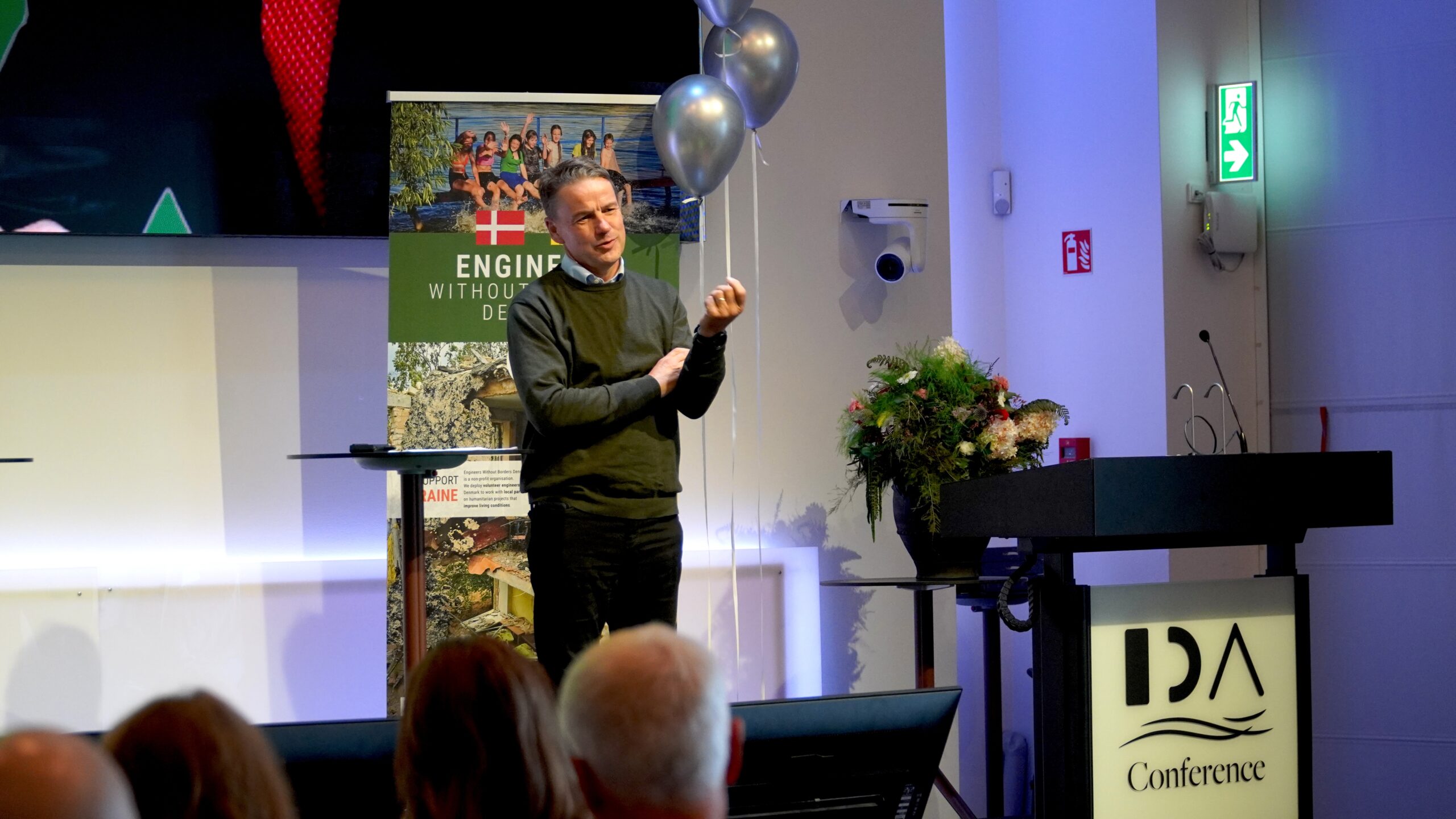
Today, Engineers Without Borders Denmark is based at IDA’s headquarters, and the cooperation has grown significantly. The anniversary celebration was also held in IDA’s congress hall.
“I’m very pleased to see how far we have come in our cooperation,” says Jan.
According to Jan, timing was a crucial factor in the organisation’s success.
For many years, IDA had provided funding for projects with varying degrees of success. It was only later that there was a stronger focus on local partners and sustainability. This was a development that worked in EWB’s favour.
It enabled the organisation to move away from the most chaotic aspects of disaster relief and instead plan for the longer term.
“The whole organisation grew along with the times,” he says.
Although Jan himself describes his contribution as “very small” because of a busy working life alongside his volunteering, his involvement from the very first meetings is an important part of EWB’s history. Now that he has retired, he hopes to find more time to get involved again.
Looking back, the journey from a small group in an apartment in Hillerød to an organisation with 1,800 members is remarkable – but not surprising to Jan:
“Did I ever imagine that we could go from a small club to a large NGO with 1,800 members? Yes, I did. Because we were visionary, and our timing was good. We followed a time of pressing needs.”
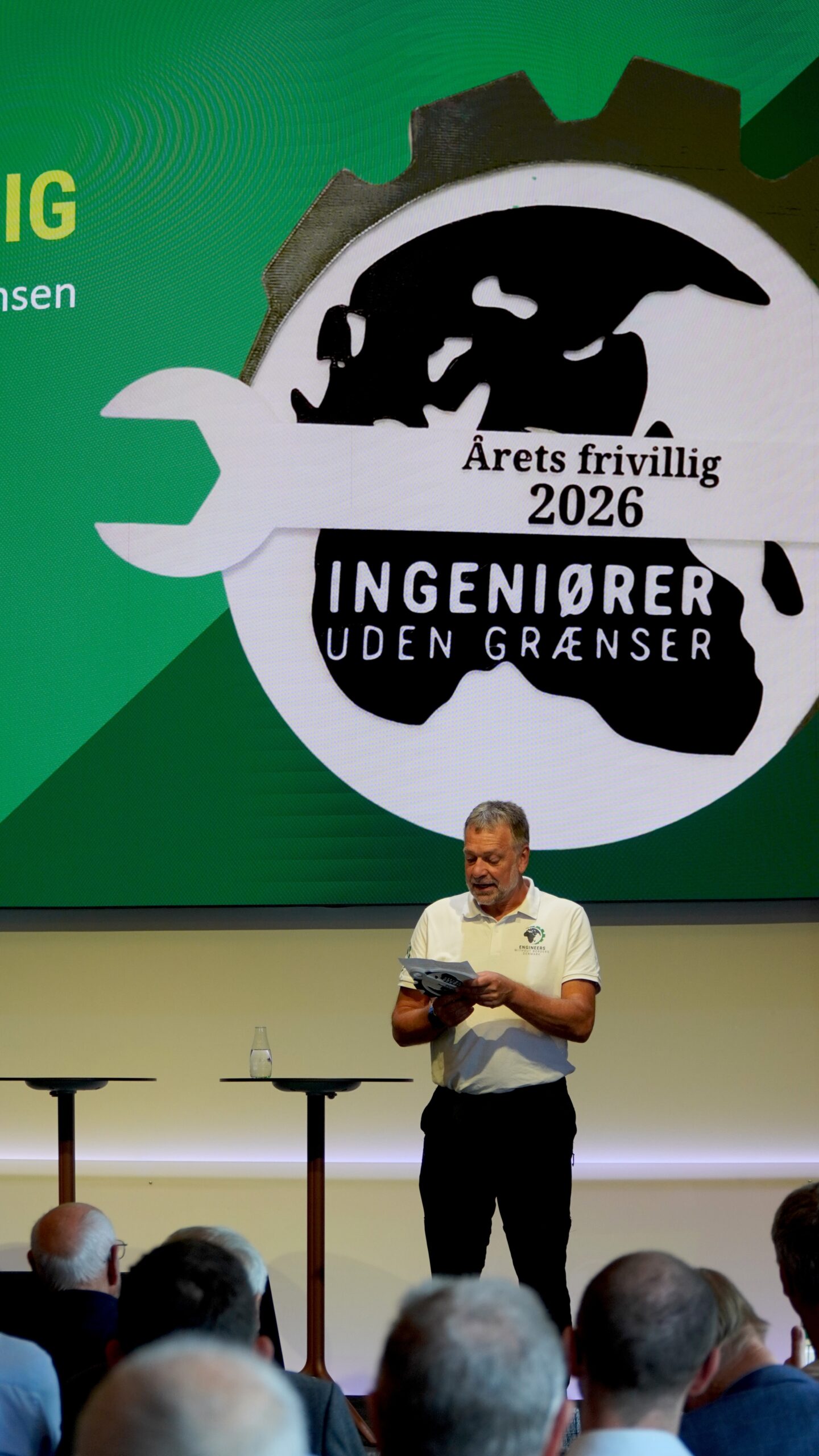
Jan concludes with a warm thank-you to everyone who has contributed over the years, and a message to today’s EWB:
“I hope, and I know, that you have helped many people around the world. And I also believe that you have gained both professional experience and personal memories that you will carry with you for the rest of your lives. Congratulations on our 25th anniversary.”
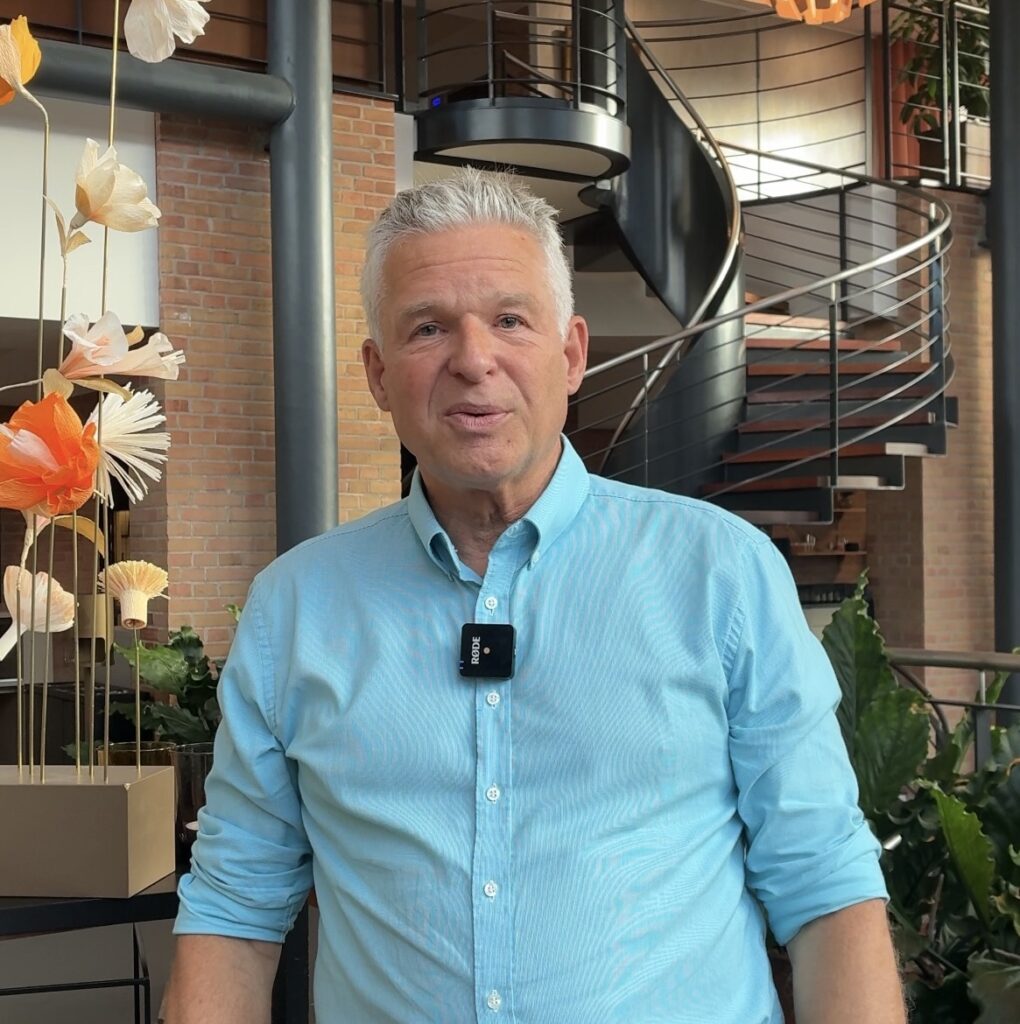
Jan Creutzfeldt